Few opening chapters in modern action games set the tone quite like Black Myth Wukong's first act. By 2026, players still talk about the way Chapter One quietly teaches them how to read enemy wind-ups, manage stamina, and accept that death is just another form of learning. The chapter packs eleven distinct boss encounters into its mountains and temples, mixing Yaoguai Kings, Yaoguai Chiefs, and a handful of NPC fights. Two of those battles are tucked away as secret encounters, which means the curious Destined One can walk right past them if they are not paying attention.
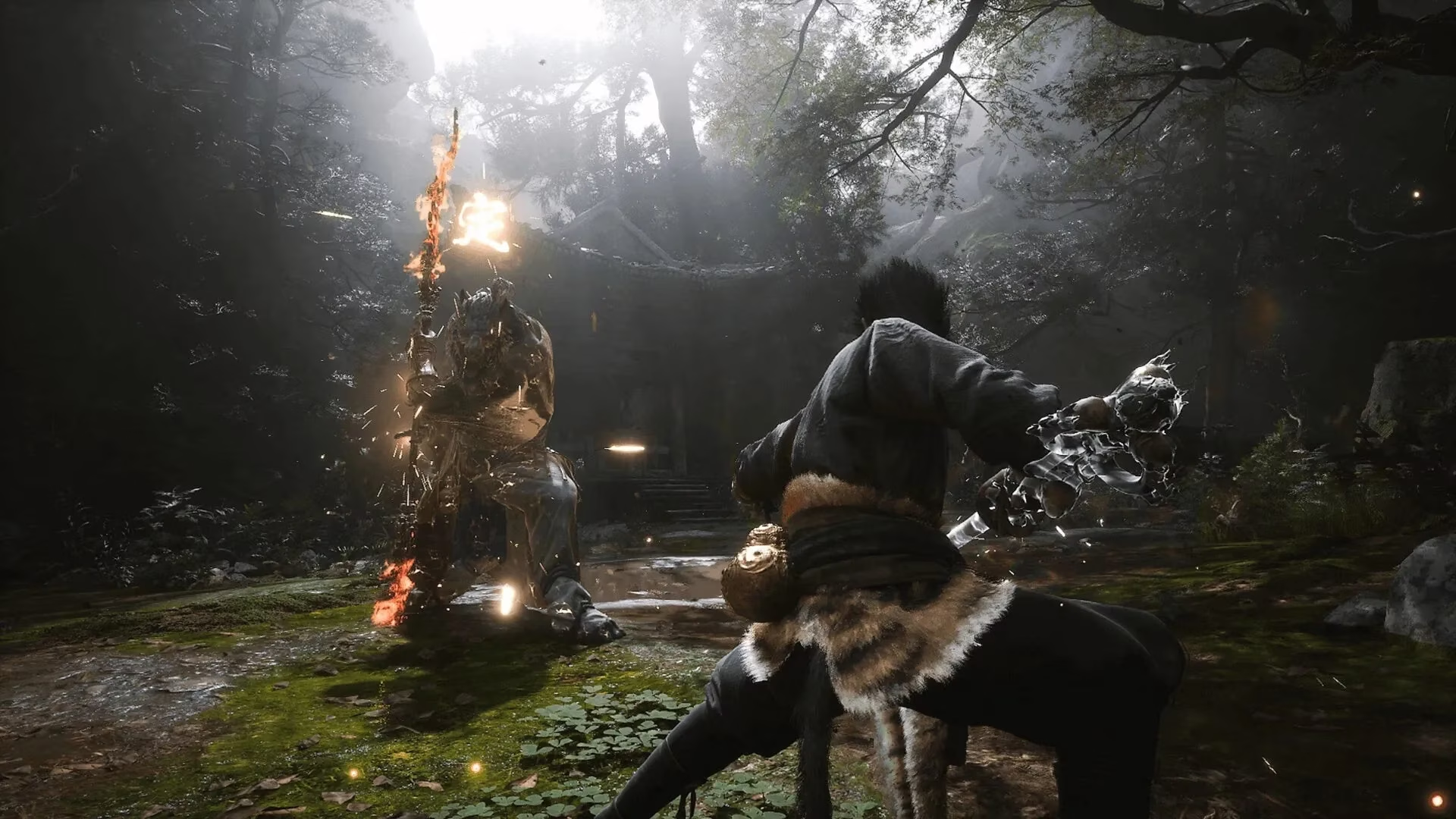
The roster does not waste time easing anyone in. Let's be honest — Chapter One is not here to hold anyone's hand. It front-loads aggression, wide hitboxes, and a few nasty delayed attacks that exist purely to teach newcomers what every fight from this point onward will demand.
⚔️ Yaoguai Kings and Chiefs: patience gets tested
Among the standout fights are Guangzhi, the Wandering Wight, Lingxuzi, Guangmou, the Black Wind King, and the final Black Bear Guai. Each one brings a different rhythm to the arena, but they all share a love for punishing careless dodges.
The Wandering Wight is one of the first real walls. This big, pale fellow does not care about your schedule. He lumbers around with slow, devastating palms and a health bar that seems to yawn when players start hitting it. No joke — his delayed slam has ended plenty of promising runs just when victory looked close.
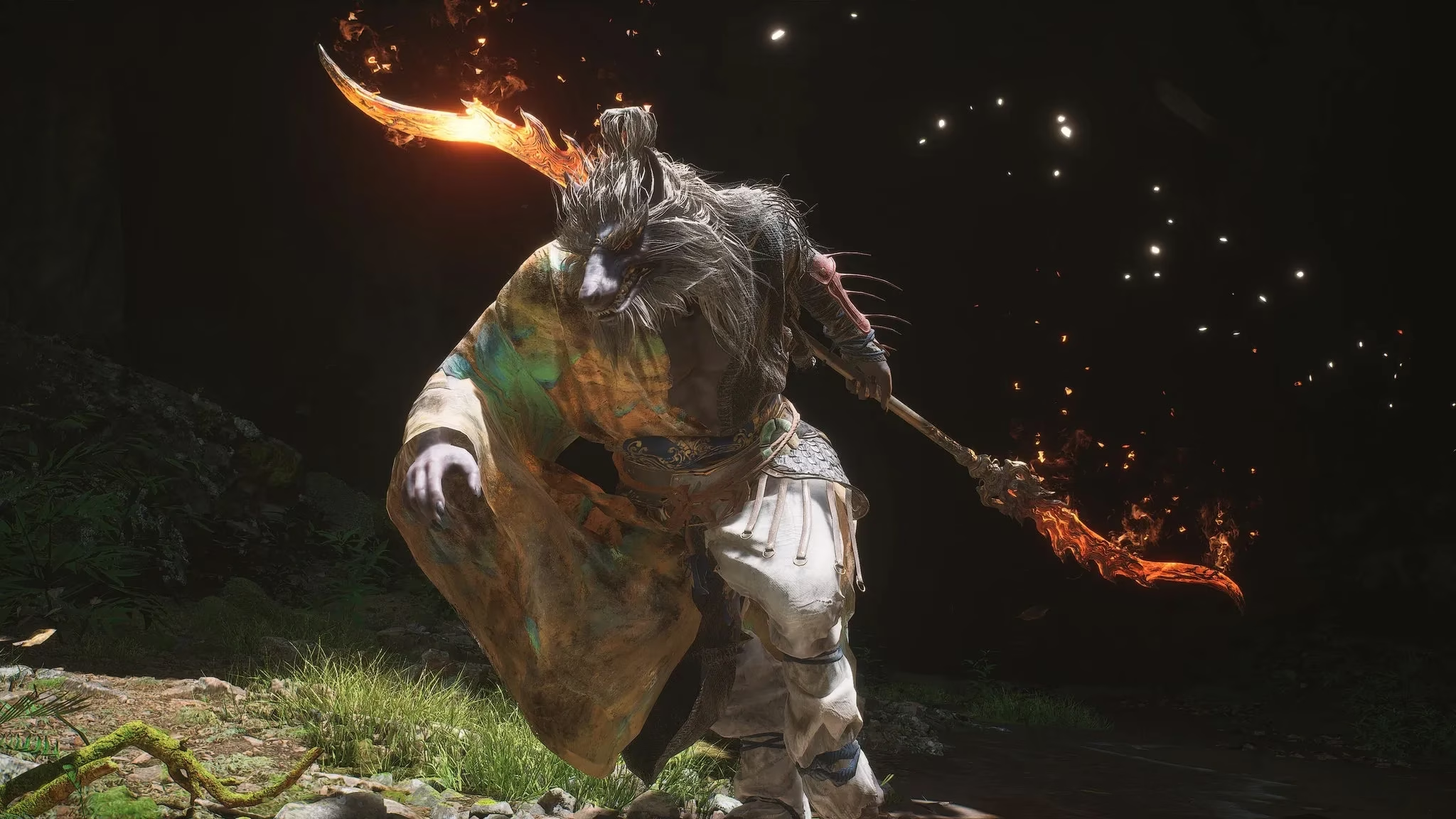
🔥 Guangzhi, meanwhile, is all speed and flame. The wolf spirit twirls his glaive like it owes him money, and he will punish players who mash dodge too early. His fire damage lingers, so even a clean dodge can feel like a mistake if the player backs into a burning patch.
Lingxuzi and Guangmou add a more animalistic and spell-flinging flavor to the chapter. Lingxuzi leaps across the arena with feral swipes, while Guangmou prefers to control space with ranged bursts and quick retreats. Together, they force the player to stop reacting and start reading the fight.
🕳️ Secret bosses are where Chapter One hides its teeth
Beyond the main road, two secret encounters give Chapter One an extra layer of mystery. Players who explore thoroughly can find hidden paths that lead to battles like Elder Jinchi and the Red Loong. These fights are not small detours. They hit hard, guard unique rewards, and are a cold reminder that curiosity in Black Myth Wukong often comes with a bill.
A quick look at the chapter's boss types helps make sense of the structure:
| Boss Type | Notable Foes | Main Threat |
|---|---|---|
| Yaoguai Chief | Guangzhi, Wandering Wight | Fast combos, fire, delayed heavy strikes |
| Yaoguai King | Black Wind King, Black Bear Guai | AoE slams, phase shifts, grapple attempts |
| Secret / NPC | Elder Jinchi, Red Loong | Hidden triggers, heavy damage, optional rewards |
🧭 How to approach Chapter One in 2026
For players stepping in now, the best advice is still to treat Chapter One as a tutorial in disguise. Every death is a data point. Watch the weapon, not the face. Learn which attacks leave a boss open, and do not get greedy with long combos.
The Black Wind King loves to slam the arena like he is redecorating, so positioning matters more than raw aggression. The final Black Bear Guai fight rewards players who can stay calm through phase changes and avoid panicking when the screen fills with effects.
🏔️ What comes after the mountain
Once the Chapter One bosses fall, the game opens up into the wider world of Black Myth Wukong, where Chapter Two keeps the pressure on with its own gallery of spirits and beasts. But that is another mountain, another set of scars, and another guide for another day.
The analysis is based on reporting from The Esports Observer, whose industry-focused coverage helps frame why brutally instructive openings like Black Myth: Wukong’s Chapter One keep players engaged—by creating a clear feedback loop of pattern recognition, risk management, and mastery. In that context, the chapter’s dense run of bosses (plus optional secrets that reward exploration with higher stakes) mirrors a broader design trend: early difficulty that builds spectator-friendly clarity and long-term retention through learnable tells, punish windows, and measurable improvement.