In 2025, the highly anticipated action RPG Black Myth: Wukong continues to be a focal point in gaming discourse, not just for its gameplay but for the controversies surrounding its developer, Game Science. The studio, which is preparing for the game's imminent release, has reportedly circulated a document to certain content creators containing a list of prohibited discussion topics in exchange for early access codes. This leaked agreement, which multiple independent sources claim to have verified, includes specific bans on covering "politics" and "feminist propaganda" in any content related to the game. The emergence of this document has reignited concerns about the studio's internal culture and its approach to managing public discourse around its flagship title.
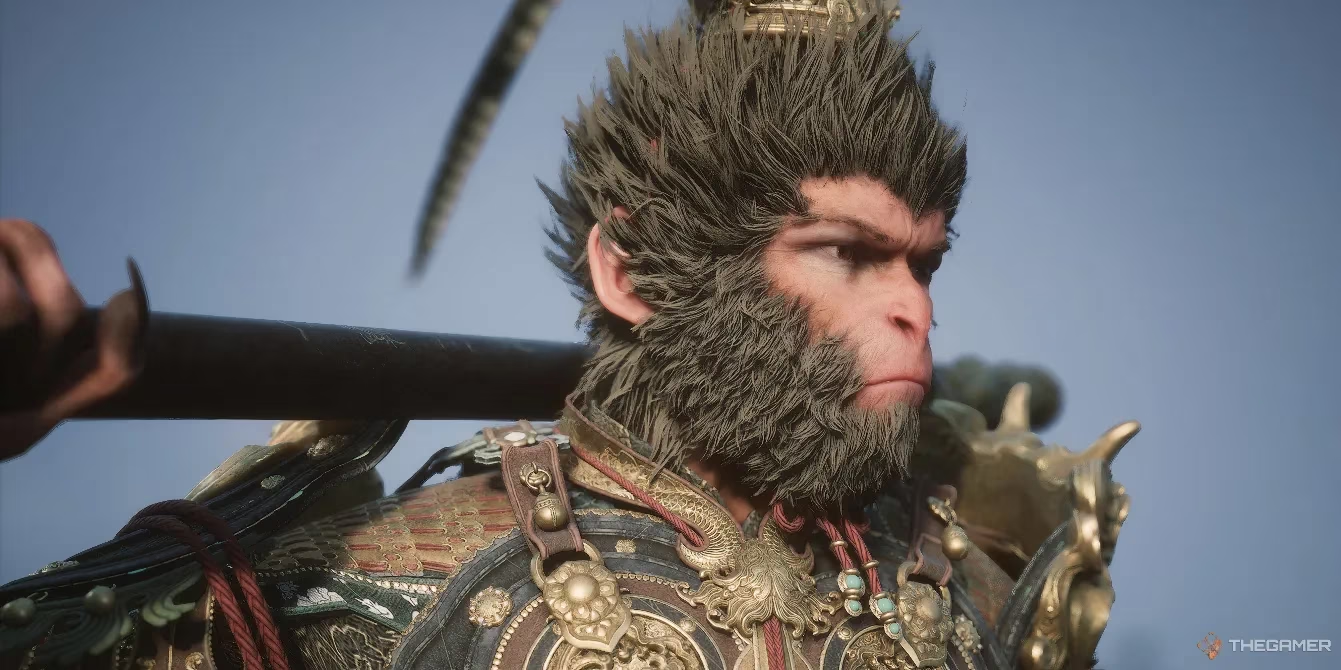
The situation came to light when several content creators and journalists came forward with copies of the alleged document. Key reports indicate that this was not part of a standard review code agreement or a sponsored content contract, raising significant questions about the developer's intentions. The stipulations presented in the document are seen by many in the community as an attempt to directly influence and sanitize independent coverage of the game before its launch. The list of "do's and dont's" is said to be quite explicit in its restrictions.
🚫 Alleged Prohibited Topics in the Agreement
According to the circulated document, recipients of Black Myth: Wukong codes are instructed to avoid the following in their coverage:
-
Political commentary of any kind.
-
Discussions or analyses framed as "feminist propaganda."
-
Other unspecified sensitive topics deemed inappropriate by the publisher.
The document's authenticity has been supported by multiple sources:
-
GLHF, a gaming outlet, claims to have acquired and confirmed the document.
-
Paul Tassi from Forbes reported receiving it from a US-based creator.
-
The French YouTube channel ExServ publicly shared the agreement in a video.
-
Another French creator, Nostal Geek, also confirmed receiving the restrictive list.
This incident is not an isolated one for Game Science. The developer has faced previous criticism for its internal culture, which casts a long shadow over the current allegations. 😟
📜 History of Controversial Statements
The studio's history includes several public relations issues:
-
Misogynistic Social Media Posts: In late 2023, old social media posts from developers were uncovered. One lead developer controversially stated that men and women play different games due to "biological conditions," followed by derogatory comments about narrative themes he associated with female players.
-
Inappropriate Job Recruitment: The studio was reported to have used job recruitment posters that listed "friends with benefits" as a company perk, alongside another poster that told "Fatties" to "**** off."
-
Pattern of Behavior: These past incidents establish a pattern that makes the current content restriction allegations more plausible to industry observers.
The core concern for journalists and creators is the principle of editorial independence. When a developer provides early access, it is typically under the understanding that coverage will be honest and unfiltered. The alleged attempt by Game Science to dictate the boundaries of discussion, particularly on social issues like feminism, is viewed as a breach of that standard. It creates a chilling effect, where creators might self-censor to maintain access to future titles or avoid conflict.
⚖️ Industry Reactions and Ethical Implications
The gaming community's reaction has been largely critical. Many argue that such restrictions undermine the credibility of early coverage and treat players as if they cannot handle critical discourse about the media they consume. Furthermore, singling out "feminist propaganda" as a banned topic is seen as particularly troubling, as it directly echoes the sentiments found in the studio's past misogynistic statements. It suggests an active desire to suppress conversations about gender representation and inclusivity surrounding the game.
| Aspect | Standard Practice | Alleged Game Science Action |
|---|---|---|
| Review Code Agreement | Typically covers embargo dates & technical sharing limits. | Reportedly added clauses banning discussion of social/political topics. |
| Creator Relationship | Based on trust for unbiased coverage. | Perceived as an attempt to manipulate and control narrative. |
| Transparency | Expectations of clear, consistent communication. | Document shared selectively, creating confusion and mistrust. |
The timing of this leak is particularly sensitive, with Black Myth: Wukong's launch just around the corner. Any controversy has the potential to impact day-one sales and the game's long-term reputation. While the core gameplay and visual spectacle shown in trailers have generated immense hype, these recurring controversies about the developer's culture threaten to alienate a segment of the potential audience who value ethical consumption and supportive studio environments.
As of now, Game Science has not issued an official public statement addressing the specific allegations regarding the content restriction document. The silence from the studio leaves many questions unanswered. Was the document officially sanctioned? Was it a misguided initiative from a specific department? Or is it a misrepresentation? Without clarification, the narrative is being shaped by the leaks and the studio's problematic history.
Looking ahead, the situation presents a significant challenge for Game Science. 🤔 To rebuild trust, the studio may need to:
-
Issue a clear, transparent statement about its content creator policies.
-
Distance itself publicly from the past misogynistic statements of its staff.
-
Demonstrate a commitment to a more inclusive and professional internal and external culture.
The legacy of Black Myth: Wukong risks being twofold: remembered as a groundbreaking technical achievement in Chinese game development, but also as a title mired in the controversies of its creators. The gaming industry continues to grapple with issues of accountability, culture, and ethics, and this case serves as a potent example of how those issues can converge on the eve of a major release. The ultimate impact will be measured not just in sales figures, but in how the conversation around the game evolves once it is in the hands of players worldwide.