When Game Science art director and co-founder Yang Qi took to Weibo to answer a fan's question about AI, he did more than calm nerves about Black Myth: Zhong Kui. He offered a clear window into how the studio thinks about technology, craft, and the pressure to move fast. According to a translation shared on Reset Era, Yang said the team will steer clear of AI-generated content during the design and asset phases. His reasoning was not a blanket rejection of the technology. Instead, he framed it as a matter of standing ground until the very end. For players who have watched generative AI creep into more and more game productions, that answer landed as a relief — at least for now.
A Nolan Analogy, Not a Tech Panic
Yang reached for a surprising comparison: Christopher Nolan. He pointed to The Odyssey, Nolan's latest epic, as an example of an artist thriving while others seem stuck. In Yang's view, digital filmmaking and 3D post-production have started to feel like a dead end for some creators. Nolan, by contrast, keeps shaking things up by leaning on older techniques. The lesson for Game Science is simple: there is no last train that the team absolutely has to catch. Yang suggested the studio can stay at a small inn for a while. There is plenty of time for AI and all that, he added — no rush.
That metaphor matters because it reframes the AI debate. The question is not whether a studio can press a button and generate assets faster. The question is whether speed is worth the cost to a game's identity. For Black Myth: Zhong Kui, the team appears to want human hands on the wheel during the parts of development where taste, culture, and authorship matter most. 🎨
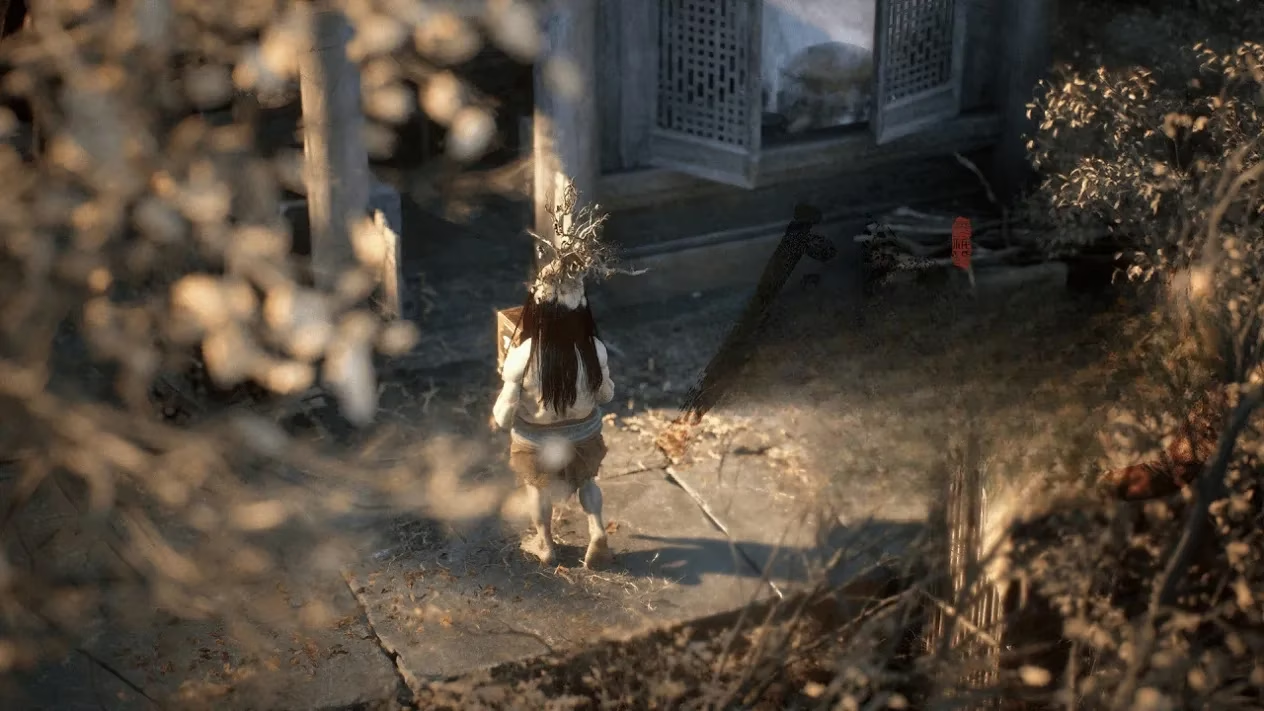
Why the Answer Matters in 2026
By 2026, generative AI has become a regular talking point across the industry. Some studios confirm its use; others are suspected of using it quietly. The backlash can be loud. Tomb Raider: Legacy of Atlantis, Call of Duty: Black Ops 7, and Kingdom Hearts are just three releases and series that have been confirmed or suspected to have used or be using gen-AI assets in some form, and each has drawn considerable pushback. Stellar Blade: Blood Rain used an AI music video as part of its promotion, too. Its creative director believes the tech is crucial to South Korea's game development scene. Not every team sees the same risk.
| Game or series | AI situation | Public reaction |
|---|---|---|
| Tomb Raider: Legacy of Atlantis | Confirmed or suspected gen-AI assets | Considerable pushback |
| Call of Duty: Black Ops 7 | Confirmed or suspected gen-AI assets | Considerable pushback |
| Kingdom Hearts | Confirmed or suspected gen-AI assets | Considerable pushback |
| Stellar Blade: Blood Rain | AI music video used in promotion | Negative attention |
| Black Myth: Zhong Kui | No AI in design and asset phases, per Yang Qi | Relief from fans |
That table explains why Yang's comments resonated. Players are not simply anti-technology. They are wary of shortcuts that flatten art direction, erase opportunities for human artists, or turn a distinctive world into generic output. When a studio like Game Science says it will avoid AI during design and asset creation, it signals that the game's visual and cultural identity will be shaped by people. 🤖
Game Science's Track Record Raises the Stakes
Game Science earned a lot of goodwill with Black Myth: Wukong, and Black Myth: Zhong Kui is moving steadily along. The sequel has been watched closely, especially after a new 15-minute gameplay reveal left fans in awe of its graphical fidelity. The studio's reputation for dense, handcrafted worlds makes the AI question more than academic. If Game Science started leaning on generated assets, the contrast with its earlier work would be hard to miss.
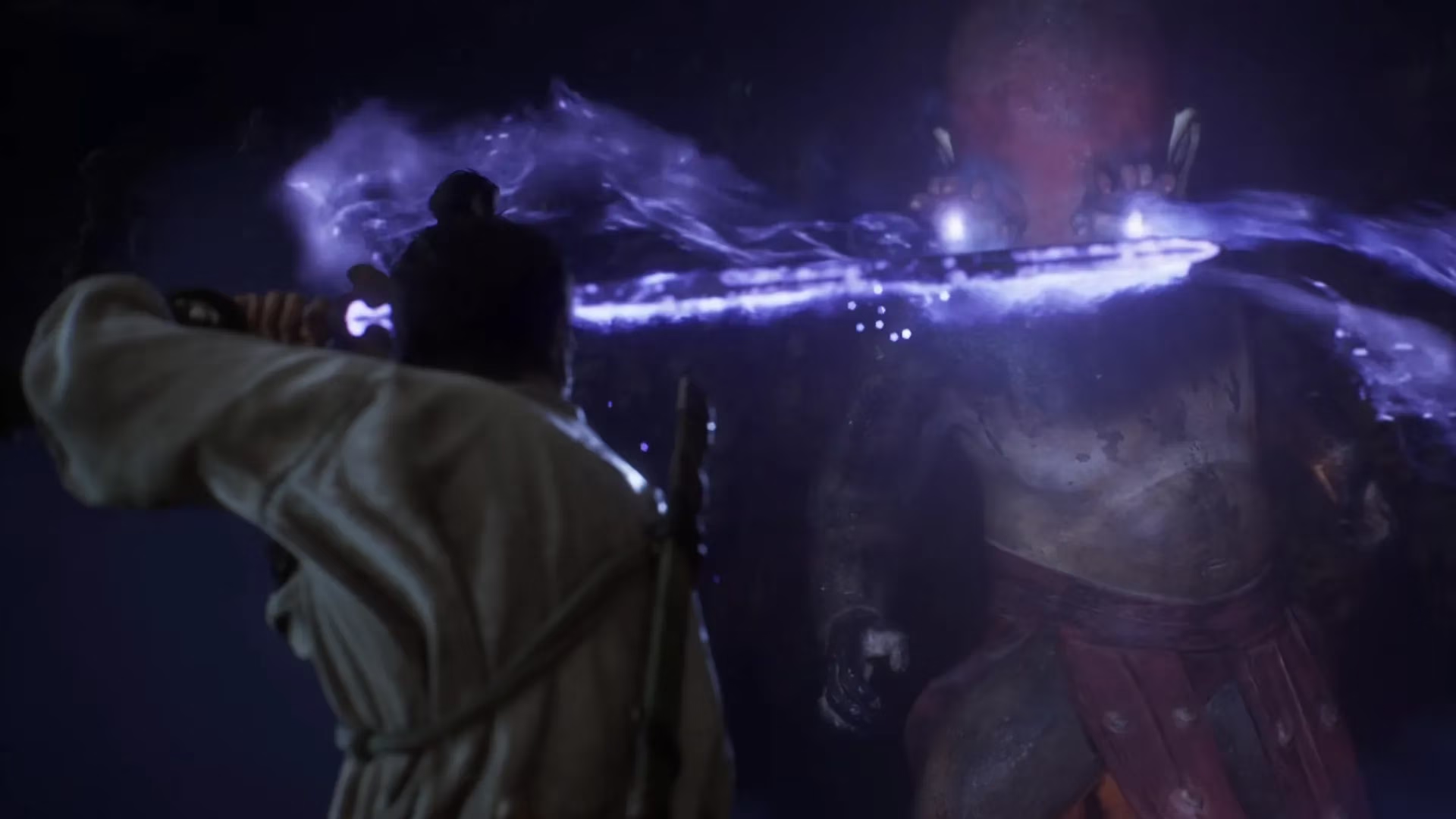
That does not mean the door is sealed forever. Yang's wording leaves room for AI to become part of the process later, and that suggestion is still worrying. One can only hope the negativity surrounding Stellar Blade's use of the technology will appropriately discourage Game Science from changing course. For now, though, the studio is resisting the rush in favor of purely human-led creativity.
Other Studios Are Watching, Too
The wider industry is not moving in one direction. Tides of Annihilation's team is monitoring AI but choosing to use the methods it is best at. Hideo Kojima does not much like the idea of AI replacing artists, a stance that carries weight after DLSS hit Death Stranding 2. These are not identical positions, but they share a common thread: technology should serve the work, not replace the people who give it meaning.
For fans of Black Myth: Zhong Kui, the takeaway is cautiously positive. Game Science has not promised to avoid AI forever. It has promised not to let AI define the design and asset phases of this game. That is a meaningful line in 2026, and it gives players one more reason to watch how the studio balances ambition, craft, and the temptation of faster tools. 🎮