Xbox has spent the 2020s trying to juggle two consoles, a subscription service, a mountain of acquisitions, and the emotional expectations of an entire fanbase. By 2026, that act still looks less like a polished circus routine and more like a raccoon balancing on a unicycle while someone in the crowd yells about frame rates. The weird week that first exposed the cracks back in 2024—Black Myth: Wukong confusion, third-party grumbling about the Series S, and indie developers waving from a neglected inbox—was not a one-off glitch. It was a preview. 🎮
The Series S Is the Little Sibling Who Insists on Coming Along
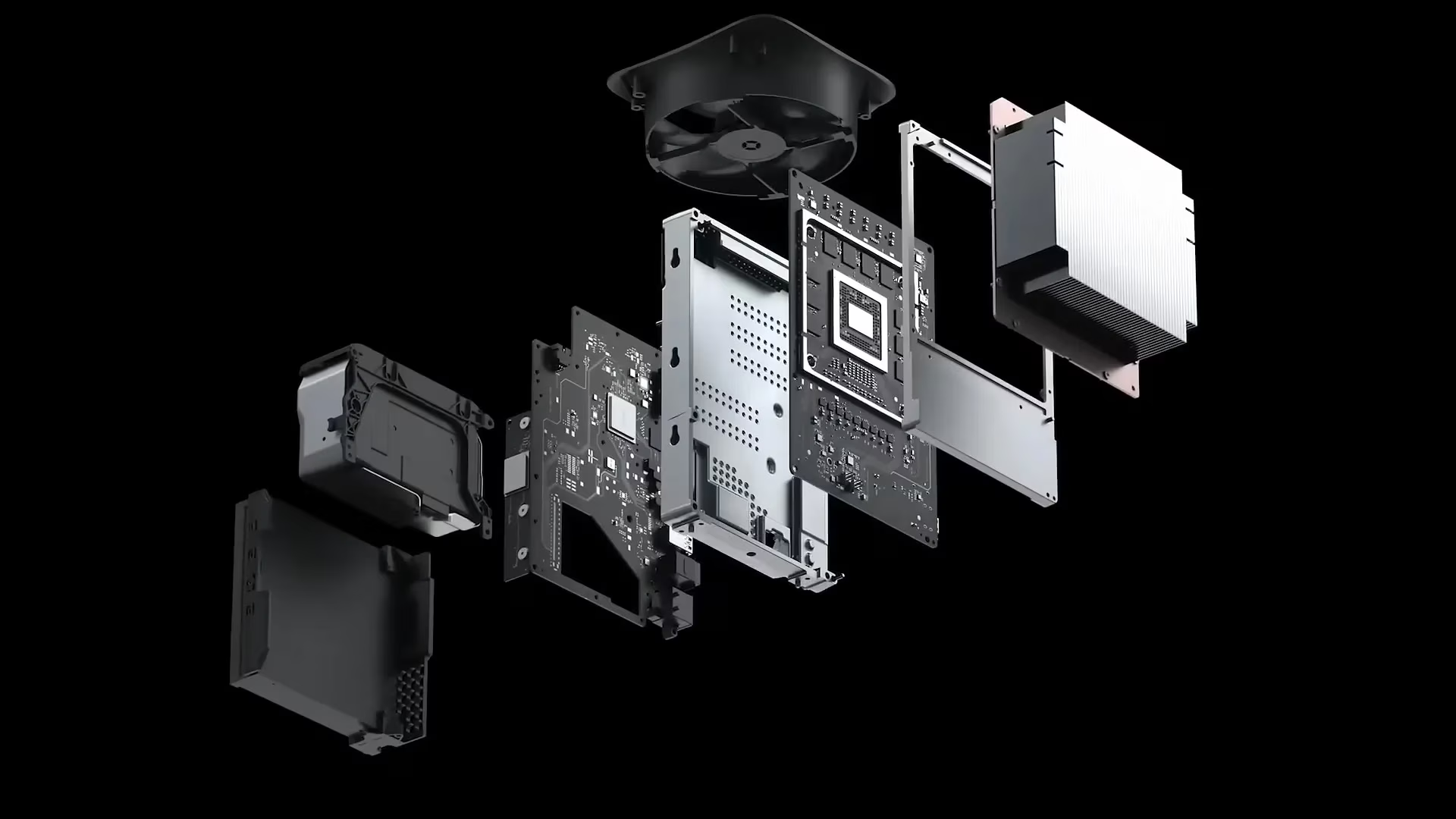
The Xbox Series X and Series S arrived in 2020 as a two-for-one family package. The Series X could trade blows with the PS5; the Series S was cheaper, smaller, and theoretically capable of running the same games at lower resolutions and frame rates. On paper, that sounded tidy. In practice, developers kept eyeing the smaller console the way a chef eyes a surprise guest who has just announced a gluten allergy. 😬
The concern was simple: if a studio wants to release a game on Xbox, it has to support both the Series X and the Series S. That means the smaller machine can become the awkward anchor in the room—the little sibling who insists on coming to the party, then needs a nap halfway through the boss fight. Dune: Awakening chief product officer Scott Junior put it gently in an interview with VG247. The game is coming to PC first, he explained, because there is a lot of optimization to do before an Xbox release. Then came the line that made every Series S skeptic nod: 'Xbox Series S is a challenge.'
That quote did not land in a vacuum. It landed next to the Black Myth: Wukong saga, which had already turned into a full-blown mystery novel with missing pages. Game Science said months before launch that it was optimizing the Xbox Series X|S version to meet quality standards, so it would not release alongside other platforms. For a visually ambitious game, that sounded like the Series S problem striking again. Then Forbes contributor Paul Tassi reported via an anonymous source that the delay was due to an exclusivity deal. IGN corroborated the report with its own sources. Other insiders promptly insisted there was no exclusivity deal keeping Wukong off Xbox. IGN stood by its report, and Tassi reiterated that he was specifically told it was not a tech issue causing the delay. In other words, the Xbox version became Schrödinger’s port: delayed by hardware, delayed by a deal, and delayed by sheer confusion all at once. 📦
The Inbox That Nobody Answers
If the Series S is the awkward family member, Xbox’s communication with some indie developers has been the haunted mailbox at the end of the road. Messages go in. Tumbleweeds come out. The developer behind the Soulslike Enotria announced an indefinite delay to the game’s Xbox version, claiming Xbox had ignored its emails for months. The studio told fans, 'You can ask Xbox why they haven’t answered us for two months. Obviously they don’t care about Enotria and they don’t care about you.' That is not exactly a victory lap for platform relations. 📭
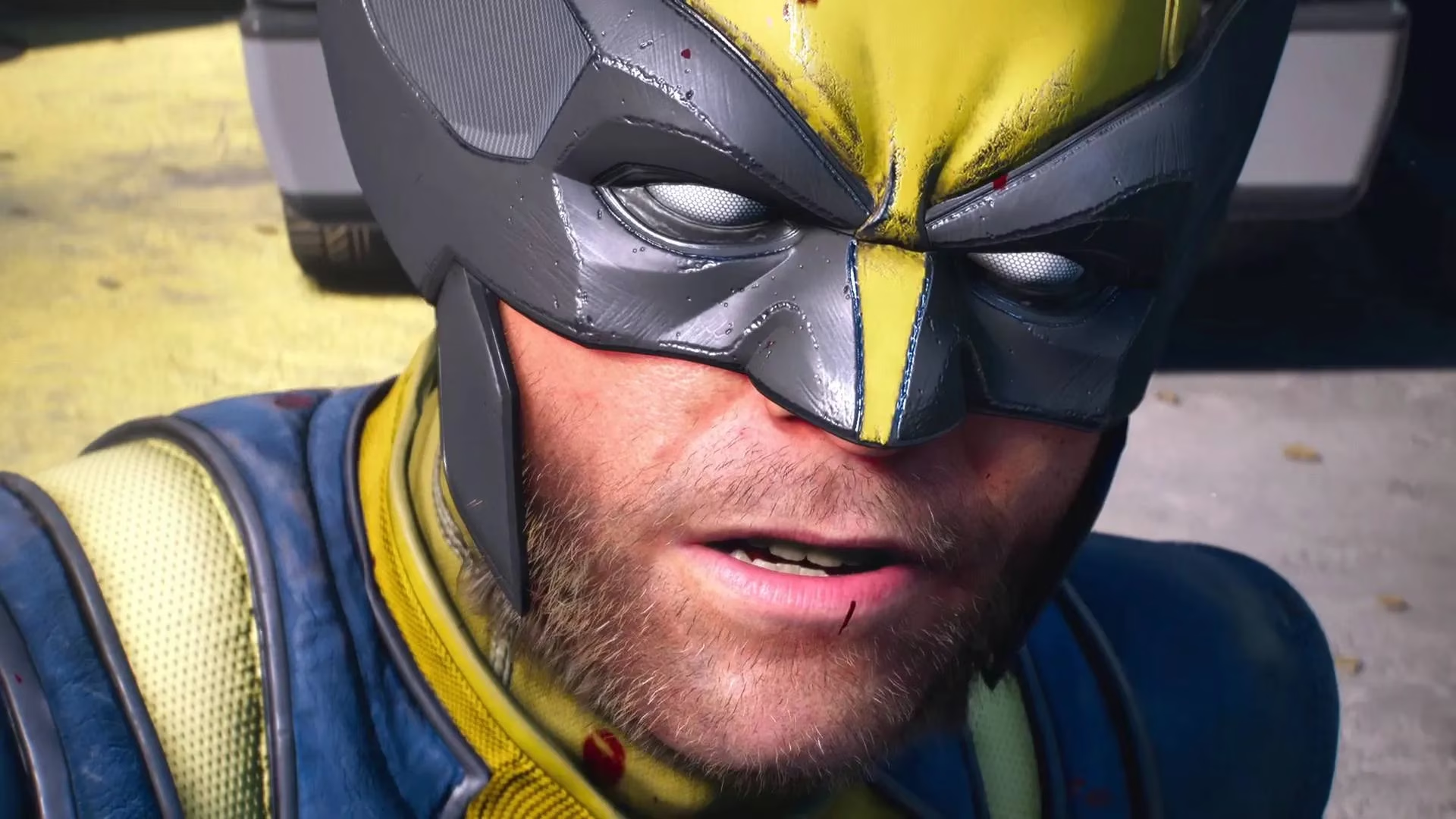
Baldur’s Gate 3 offered a happier but still revealing example. The Xbox version launched months late after Larian and Phil Spencer 'found a solution.' Good for players, sure. But the phrase 'found a solution' has a way of making everyone wonder how many other studios are still waiting for their own solution to crawl out of the inbox. Meanwhile, fans who hoped Microsoft would keep the lights on at studios like Tango Gameworks, or who bought a modern Xbox for exclusives like Indiana Jones and the Great Circle, have had to develop a very flexible relationship with optimism. Somebody get the spreadsheet—there are patterns here. 📊
What the Mess Actually Means
Taken one by one, these stories can be dismissed as isolated incidents. A delayed port here, a grumpy studio there, a quote about optimization somewhere else. Taken together, they form a less flattering picture of a platform still struggling to explain its own priorities. The table below is not a legal indictment. It is just a handy map of the vibes. 🗺️
| Incident | What happened | The vibe |
|---|---|---|
| Dune: Awakening | PC first, Xbox later, with Series S called a challenge | Small console, big sigh |
| Black Myth: Wukong | Xbox delay reports conflicted over tech vs. exclusivity | Schrödinger’s port |
| Enotria | Indefinite Xbox delay and claims of ignored emails | Inbox ghost town |
| Baldur’s Gate 3 | Xbox launch arrived months late after a solution was found | Eventually, a patch and a prayer |
By 2026, the lesson is not that every Xbox delay is a conspiracy. It is that the pattern has become exhausting. The Series S was sold as a budget-friendly on-ramp to the Xbox ecosystem, and for plenty of players it still is. But for developers, supporting it can feel like being asked to squeeze a watermelon through a garden hose while a marketing team asks why the fruit salad is late. 🍉
Xbox still has fans, Game Pass still has pull, and Microsoft still has enough money to buy a small country and then put it on a subscription tier. But the weird week of 2024 left a mark because it showed how quickly technical friction, communication failures, and rumor chaos can merge into one big cloud of 'what is Xbox doing?' By 2026, that cloud has not fully cleared. The console maker does not need another dramatic plot twist. It needs fewer ghosted emails, clearer answers, and a Series S strategy that does not make every third-party developer feel like the designated adult in a family road trip. 🚗